
This Year's Panels
When the Past is Present:
How Trauma Shapes Our Everyday Reality
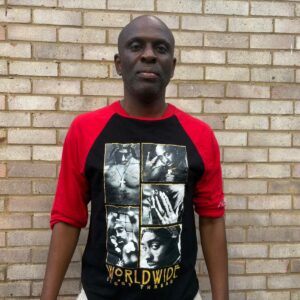
Akeem Sule
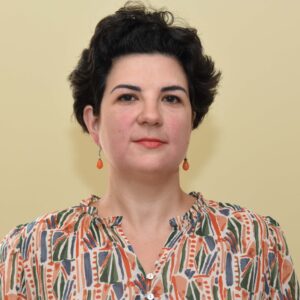
Livia Livint-Popa
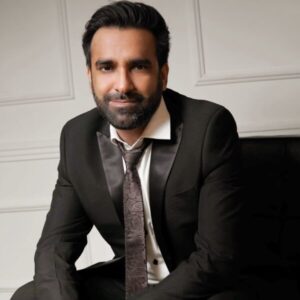
Ali Jawaid
Memory. Biology. Behavior. How does the past inhabit the present?Trauma once seemed confined to fleeting memories or psychological aftermath, but today scientific exploration reveals that it profoundly structures our everyday reality, influencing everything from neurological pathways to generational health. Yet, beneath clinical diagnostics and behavioral patterns, recovery remains a deeply human journey driven by resilience, empathy, and clinical dedication. What happens when neurological research meets the enduring impact of adversity? How are clinical psychiatry, neurorehabilitation, and neuroscientific discoveries reshaping the clinician's toolkit, and what is required to bridge the gap between complex brain science and daily practice?
When the Past is Present: How Trauma Shapes Our Everyday Reality brings together distinguished experts from psychiatry, neurology, and basic neuroscience in an open discussion regarding psychological trauma, neurobiological transformation, and the future of mental healthcare. For 90 minutes, participants will explore how trauma impacts neurological and psychological systems, looking beyond terminology to understand the practical mechanisms of healing and resilience.
WHO will we be talking with?
Dr. Akeem Sule – The perspective of general adult psychiatry, mental health advocacy, and medical education. Providing insight into the intersection of clinical practice and public outreach, Dr. Sule examines general adult and clinical psychiatry, demonstrating how media-based psychiatry and initiatives like Hip-Hop Psych advance mental health advocacy and community education. He bridges clinical theory and patient communication, illustrating how creative platforms translate into actionable psychological support.
Dr. Livia Livinț-Popa – The perspective of clinical neurology, neurorehabilitation, and neurodiagnostics. Operating at the frontier of stroke, post-stroke cognitive impairment, and neurodegenerative disorders, Dr. Livinț-Popa analyzes complex neurological data to tailor therapeutic strategies for individual patients. She addresses how neurodiagnostics, electrophysiology, and advanced brain stimulation techniques advance neurological recovery and clinical patient care.
Dr. Ali Jawaid – The perspective of clinical and basic neuroscience in neuropsychiatric disorders. Analyzing complex immunometabolic mechanisms where disease susceptibility spans across lifetimes and generations, Dr. Jawaid offers a practical assessment of how transgenerational trauma and novel technologies modify neuroscience workflows. He shares insights from scientific research, discussing how technological advancements like VR-based cognitive enhancement training assist in identifying clinical findings while maintaining patient-centered care.
An Open Floor for Shared Discovery. Forget stiff academic lectures and rehearsed talking points. This is an interactive, shared exploration fueled by professional insights, diverse viewpoints, unscripted questions, and direct dialogue with everyone in the room.Multiple specialized vantage points converge around one vital inquiry: How can we help patients heal from what they carry when the past refuses to stay behind?Because mapping the biology of trauma is only the first step—true recovery unfolds where rigorous science meets genuine human connection.
Beyond the White Coat:
What Does It Really Take to Become a Doctor?
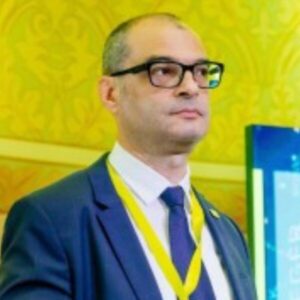
Ovidiu Pop
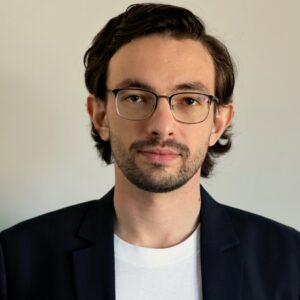
Alon Vigdorovits
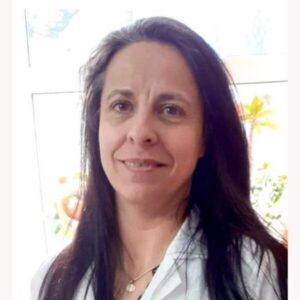
Claudia Burz
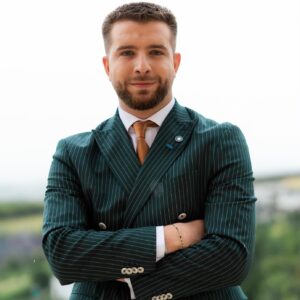
Milea Paul Alexandru
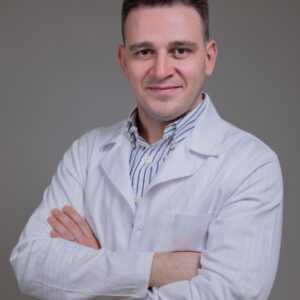
Vlad Gata
Faculty. Residency. Practice. What changes along the way?
Medical school gives you the knowledge. Residency confronts you with reality. And medical practice teaches you that some of the most important lessons cannot be found in textbooks. But what happens between the doctor you dreamed of becoming and the doctor you end up being?
Beyond the White Coat brings together physicians from different generations and specialties in an open conversation about expectations and reality, professional choices, challenges, opportunities, and the people who change our path.
WHO will we be talking with?
Prof. Dr. Ovidiu Pop and Dr. Alon Vigdorovits – The perspective of anatomical pathology, research, and the academic journey. The mentor-disciple relationship brings a personal dimension to the discussion about curiosity, professional development, and the opportunities that arise when someone gives you trust and guidance. Dr. Alon Vigdorovits is involved in research and is a university assistant at the Faculty of Medicine in Oradea.
Assoc. Prof. Dr. Claudia Burz and Dr. Paul Milea – The perspective of oncology and residency training. Two generations working together who can talk about the difference between the medicine that is learned and the medicine that is practiced, about the skills that truly matter, and about the role of the mentor in the development of a young doctor. Dr. Paul Milea is a resident physician in oncology at IOCN (The "Prof. Dr. Ion Chiricuță" Oncology Institute).
Dr. Vlad Gâta – The perspective of the young surgeon, already professionally established, who can speak about the transition from residency to the responsibility of independent medical decisions, the challenges of the early career, and what you learn when theory meets reality in the operating room. Dr. Vlad Gâta is a surgeon at IOCN and a university assistant at UMF Cluj.
WHAT will we be talking about?
For 90 minutes, we will explore together questions that every medical student asks, but for which they do not always find answers in university.
What do you discover only after you start practicing medicine?
What skills become indispensable?
What would you have liked to know back in your student days?
How do you choose your professional path, and how much can a mentor, a research project, or an international experience influence your future?
We will discuss research and professional development opportunities, the relationship between generations, the challenges of a resident's life, and the transition to independent medical practice.And we will look ahead:
What will medicine look like in 5-10 years?
How will diagnostics, laboratories, and the relationship between specialties transform?
What role will artificial intelligence and new technologies play, and what skills will the doctors of the future need to develop?
Not JUST a panel. A CONVERSATION where YOU also have a say.No rigid speeches and no pre-established answers. Featuring personal experiences, different perspectives, direct questions, and dialogue with the audience.5 guests, 4 professional perspectives, 3 university centers, 2 mentor-disciple relationships, and 1 single essential question:
What kind of doctor do you want to become, and what can you do, starting today, to get there?
Because medicine is learned in university. But you learn to be a doctor your entire life.